KEY IDEAS:
- The Glendale Police Department built its real-time intelligence center (RTIC) in under a year, with Peregrine as its data backbone.
- Fragmented systems made it difficult to access time-sensitive public safety data.
- Peregrine unifies data into a single platform, enabling real-time insights for RTIC operators and officers in the field.
- Unified data also supports regional collaboration, helping agencies share intelligence and respond to cross-jurisdictional crime.
💡 GLENDALE POLICE DEPARTMENT AT A GLANCE:
Location: Glendale, California
Established: 1906
Population: Approx. 187,823
Sworn count: Approx. 300
Total personnel: Approx. 450
Sources: Glendale Police Department, U.S. Census
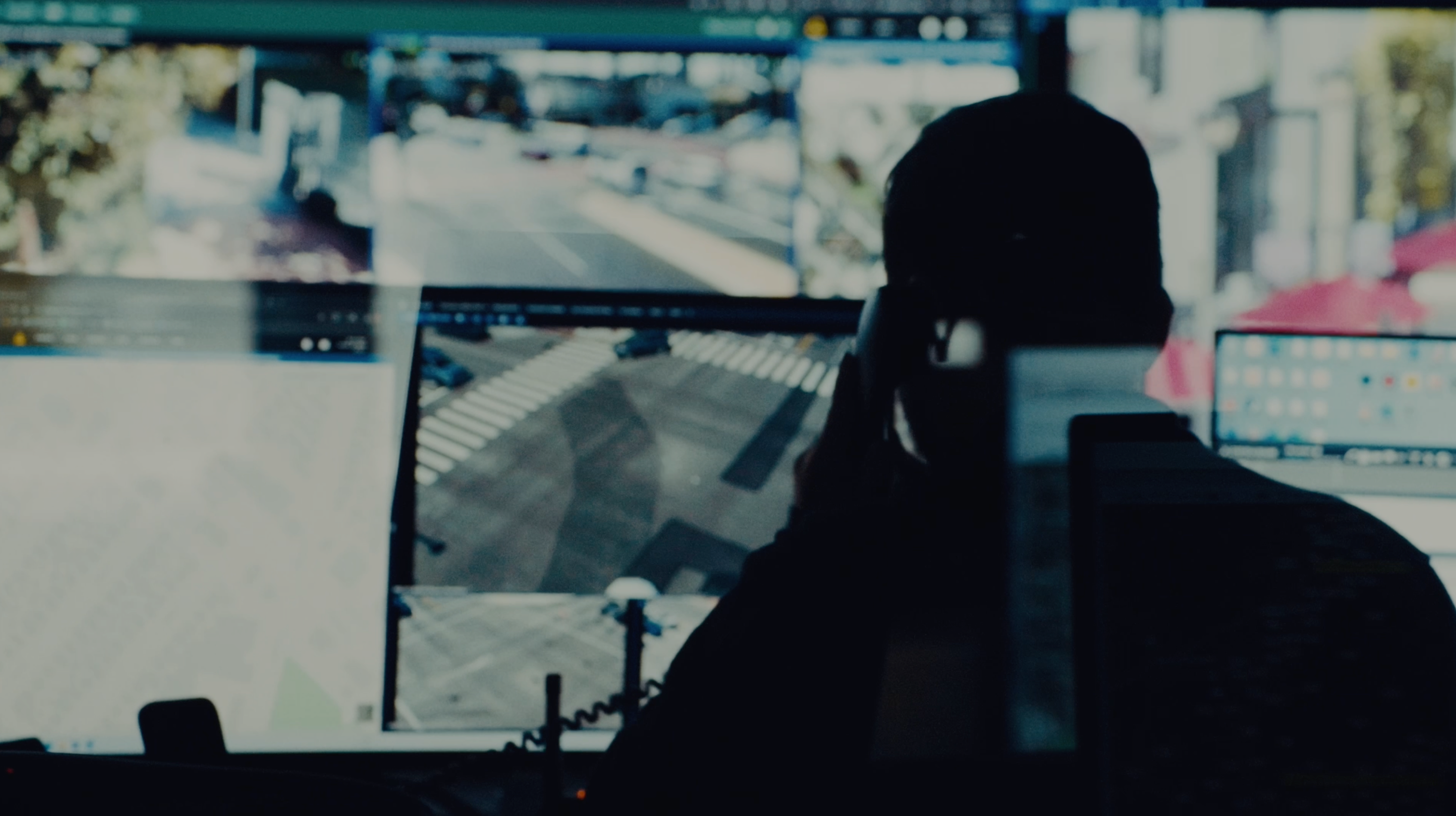
GLENDALE, Calif. — The Glendale Police Department built its real-time intelligence center (RTIC) from the ground up in less than a year. Today, Peregrine serves as the backbone of that system, enabling real-time access to critical public safety data.
Like many agencies, the Glendale PD struggled with fragmented data across systems, delaying access to time-sensitive information.
“We have all this data in all these different places; it’s really hard to access,” Riley told Policing Matters podcast host Jim Dudley.
With Peregrine, that changes.
“My real-time intelligence center operators can click on one button and bring up premise history — 30, 60, 90 days — who’s related to the residence, all the body-worn camera evidence that’s ever been taken in that geographic location, criminal history, you name it,” Riley said. “And they’re able to feed that to the officers almost immediately.”
WATCH → Glendale Police Department: Inside the Real-Time Intelligence Center
This allows RTIC operators to quickly gather and share critical context with officers in the field, improving response times and enabling faster, more informed decisions in the field.
Beyond internal visibility, Peregrine also supports interagency collaboration. Riley said Peregrine enables seamless data sharing between the Glendale PD and other municipal police departments in the Los Angeles area, including the LAPD.
“There’s a bigger conversation about, regionally, how we’re all going to share data through Peregrine, because crime is transient through our cities,” he said. “It really is going to help connect dots and then allow our real-time intelligence centers to talk and strategize and really make an impact on crime.”
By enabling regional collaboration, the Glendale PD and neighboring agencies can better track and respond to crime that moves across jurisdictions.
🔑 KEY TAKEAWAY: Peregrine enables the Glendale PD’s RTIC to unify fragmented data into a single platform, giving operators real-time access to critical information and supporting faster decisions and regional collaboration.
To download this full episode of Police1’s podcast Policing Matters, visit Apple Podcasts, Amazon Music, or Spotify.
Frequently asked questions
What is a real-time information center (RTIC)?
A real-time information center (RTIC), also called a real-time intelligence center, brings together historical systems and real-time inputs, such as CCTV cameras and aerial footage. RTICs enable personnel to collect, analyze, and share data from multiple police systems to support investigations and officers in the field.
How does data integration support RTIC operations?
Data integration allows RTIC operators to access and connect information from multiple systems in one place. This enables them to quickly gather context, such as location history, related individuals, and prior incidents. They can share insights with officers in real time, improving coordination and situational awareness.